
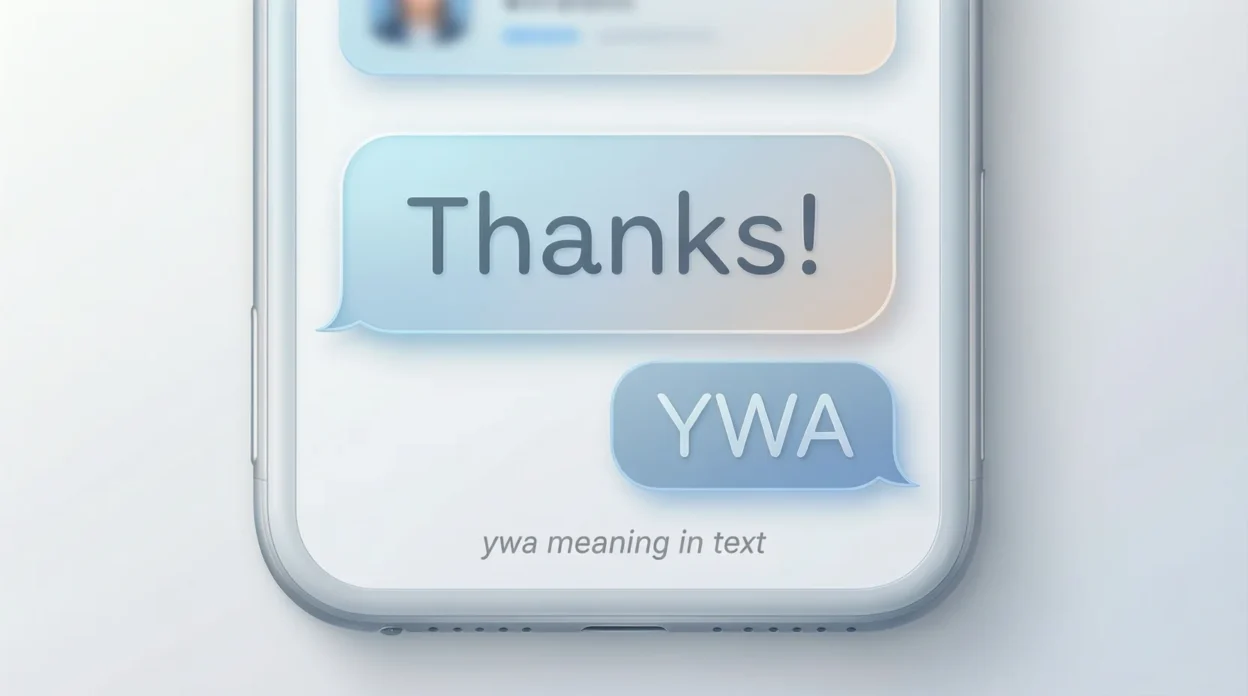
If you’ve ever received a short reply like “YWA” in a text or chat and wondered what it means, you’re not alone. Internet slang moves fast, and abbreviations like YWA often leave people confused—especially when they appear without context.
In this guide, you’ll learn the exact meaning of YWA in text messages, how it’s used in casual conversations, whether it’s polite or rude, and how to respond when someone sends it to you. By the end, you’ll feel confident understanding and using YWA naturally in everyday digital communication.
What Does YWA Mean in Text Messages?
YWA most commonly stands for:
“You’re Welcome Anyway.”
It’s a casual texting abbreviation used after someone says “thanks”—often when the help wasn’t needed, was declined, or didn’t fully solve the issue.
Unlike the simple “YW” (You’re welcome), YWA adds emotional nuance. Depending on context, it can sound:
- Polite
- Neutral
- Slightly passive-aggressive
- Or mildly sarcastic
The tone depends entirely on how the conversation unfolded.
YWA Meaning in Casual Conversations and Chats
In everyday texting, YWA is usually used when:
- Someone thanks you for something you didn’t really do
- Your help wasn’t accepted
- The situation didn’t go as planned
It can imply:
- “I tried to help, but okay.”
- “No problem, even though it didn’t matter.”
- “You didn’t need it, but still—you’re welcome.”
Because texting lacks tone of voice, YWA can feel blunt if you’re not familiar with it.
Is YWA Polite or Rude in Texting?
YWA is not inherently rude, but it can feel slightly sharp depending on context.
Polite Usage
When used calmly, it simply acknowledges thanks:
- Friendly
- Casual
- Emotionally neutral
Passive-Aggressive Usage
In tense conversations, it may suggest:
- Mild annoyance
- Disappointment
- A hint of sarcasm
This is why many people misinterpret YWA—it sits in a gray area between polite and passive-aggressive.
Examples of YWA in Text Messages
Understanding examples makes the meaning much clearer.
Neutral Example
Person A: Thanks for trying to help!
Person B: YWA
Here, YWA just means “no problem.”
Slightly Awkward Example
Person A: Never mind, I figured it out.
Person B: YWA
This may sound like: “Okay… you’re welcome anyway.”
Sarcastic Example
Person A: I didn’t need your advice.
Person B: YWA
This can come across as passive-aggressive, even if not intended.
How YWA Is Different From “YW”
Although both abbreviations mean “you’re welcome,” they are not interchangeable in tone.
| Term | Tone | Usage |
|---|---|---|
| YW | Neutral, friendly | Standard response to thanks |
| YWA | Context-dependent | Used when help was unnecessary or rejected |
If you want to stay safe and polite, YW is the better option.
When Should You Use YWA in Texting?
You might use YWA when:
- Someone thanks you after declining help
- You offered assistance that wasn’t used
- The situation ended awkwardly
However, avoid using YWA when:
- You want to sound warm or friendly
- You’re talking to someone sensitive
- You’re in a professional setting
In professional or formal messages, spell it out instead:
“You’re welcome anyway.”
How to Respond When Someone Says YWA
Your response should depend on the tone of the conversation.
Safe Responses
- “Thanks again!”
- “Appreciate it.”
- “Got it 🙂”
If It Feels Passive-Aggressive
- “Didn’t mean to sound rude earlier.”
- “Thanks for understanding.”
If You Want to End the Conversation
- “No worries.”
- “All good!”
Avoid escalating the situation—most of the time, YWA isn’t meant negatively.
Is YWA Common in Social Media and Online Chats?
Yes, YWA is most commonly used in:
- Text messages
- Discord chats
- Reddit comments
- Casual WhatsApp conversations
It’s less common on:
- Instagram captions
- TikTok comments
- Professional emails
Because it can sound blunt, people tend to reserve YWA for private, casual conversations.
Can YWA Have Multiple Meanings?
In rare cases, YWA may stand for something else depending on niche communities, but in texting and social media:
👉 “You’re Welcome Anyway” is by far the most common meaning.
Other meanings are uncommon and usually context-specific, making them easy to spot if they appear.
Should You Avoid Using YWA?
You don’t need to avoid it completely—but use it carefully.
Use YWA When:
- You understand the tone of the conversation
- You’re chatting casually with friends
- You don’t mind sounding slightly blunt
Avoid YWA When:
- You want to sound warm and friendly
- You’re talking to coworkers or clients
- You’re resolving a misunderstanding
When in doubt, write the full sentence instead.
Why Abbreviations Like YWA Can Be Misunderstood
Texting removes:
- Tone of voice
- Facial expressions
- Emotional cues
Because of that, short replies like YWA can feel colder than intended. That’s why many people now prefer:
- Emojis 🙂
- Full phrases
- Softer language
Small changes can prevent big misunderstandings.
FAQS
❓ What does YWA mean in text messages?
YWA stands for “You’re Welcome Anyway.” It’s used when someone says thanks, even if the help wasn’t needed or accepted.
❓ Is YWA rude or polite?
YWA is not rude by default, but it can sound passive-aggressive depending on context and tone. With friends, it’s usually casual.
❓ How is YWA different from YW?
YW simply means “You’re welcome,” while YWA adds extra meaning, often implying the help wasn’t necessary or was declined.
❓ When should you use YWA in texting?
Use YWA in casual conversations when someone thanks you after refusing help. Avoid it in professional or sensitive chats.
❓ How should I respond if someone texts YWA?
You can reply with “Thanks again,” “No worries,” or “Got it 😊” depending on the conversation tone.
Conclusion
YWA is a simple abbreviation, but it carries emotional weight depending on how and when it’s used. Most of the time, it just means “You’re welcome anyway”—nothing more, nothing less.
Understanding tone, context, and relationship dynamics is key to using it correctly. When used thoughtfully, YWA fits naturally into casual texting. When used carelessly, it can sound passive-aggressive.
If you’re unsure, go with the safer option: spell it out or add a friendly emoji.


